2026 Xiamen May Day Tour: A 7-Day Maritime Silk Road Journey Across Four Cities
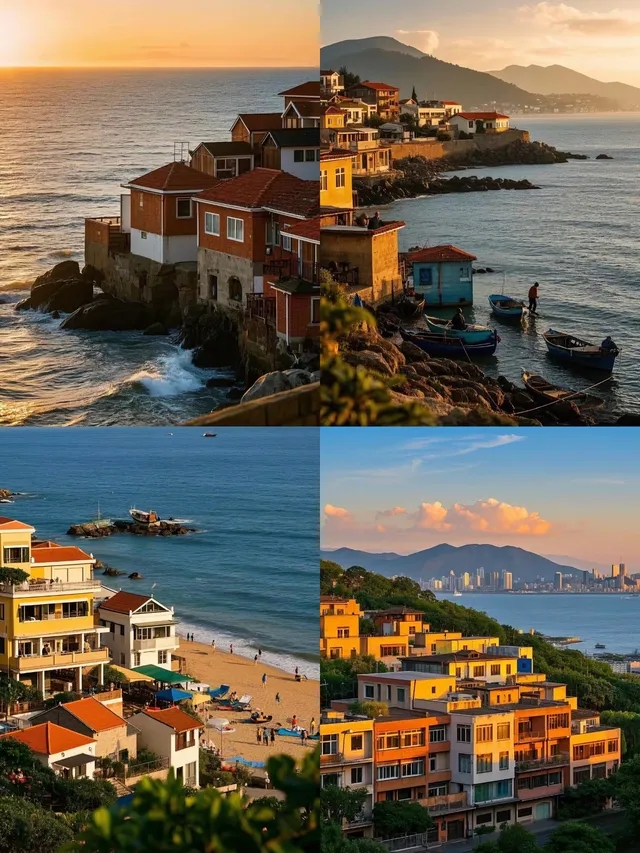
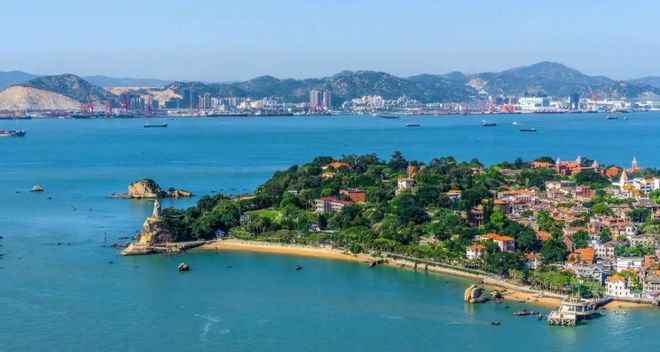
For the May Day 2026 holiday, Xiamen has launched an immersive 7‑day, 6‑night inbound tour that traces the Maritime Silk Road through Xiamen, Quanzhou, Zhangzhou and Longyan. Anchored in the theme of “Cross‑Civilizational Exchange,” the itinerary connects world heritage sites, living intangible cultural heritage, and fusion cuisines—offering international travelers a tangible journey through the sea‑borne stories that once linked China to the world-.
Itinerary Highlights: 7 Days of Maritime Legacy
Day 1: Xiamen – Where Nanyang Meets Minnan
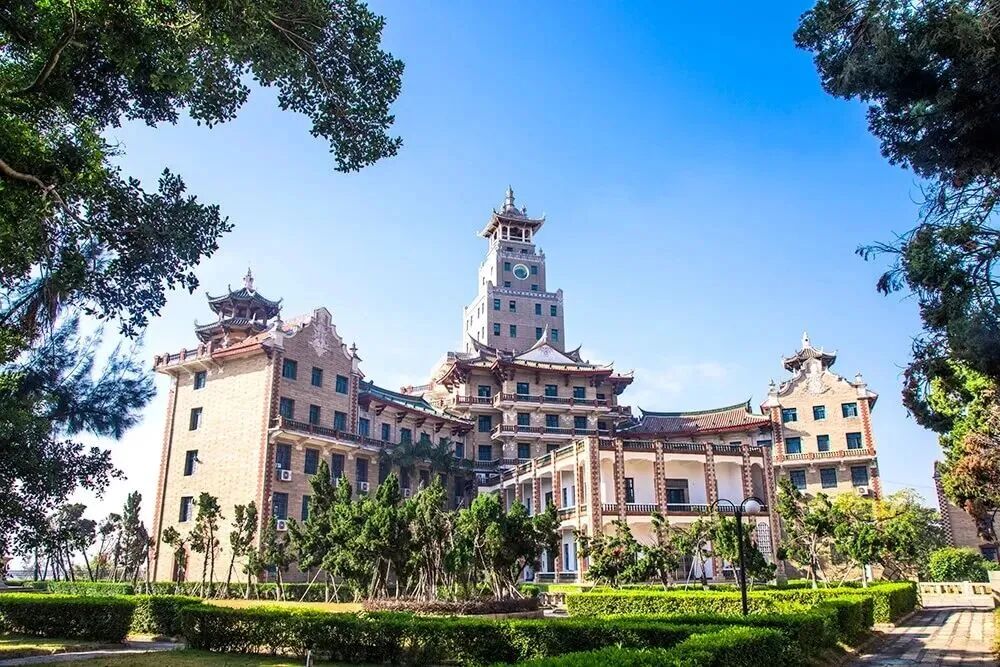
Morning | Jimei School Village · Jiageng Architecture
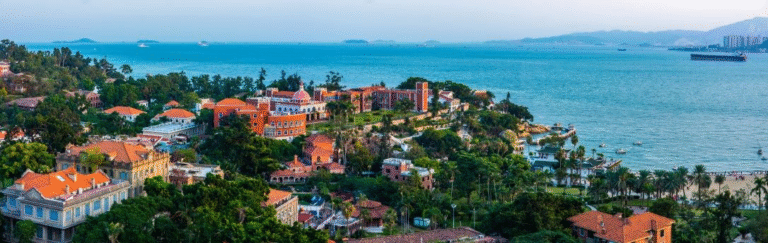
Arrive in Xiamen and visit Jimei School Village, where Jiageng‑style architecture fuses Nanyang colonial elements with traditional Minnan red‑brick houses—a landmark of overseas‑Chinese heritage-. The ensemble reflects how early Chinese emigrants brought back building techniques, educational ideals and commercial networks along the Maritime Silk Road.
Afternoon | Shapowei Art Zone
Head to Shapowei Art Zone, a revitalized dock district that now hosts contemporary art spaces. During the May Day holiday, the district celebrates its 12th anniversary with the Tides Circular Life Festival, featuring recycled‑art workshops, live performances, and open‑air markets that connect maritime memory with modern creativity—all set against the backdrop of the historic fishing harbor--22.
Evening | Zhongshan Road · Maritime Fusion Dinner
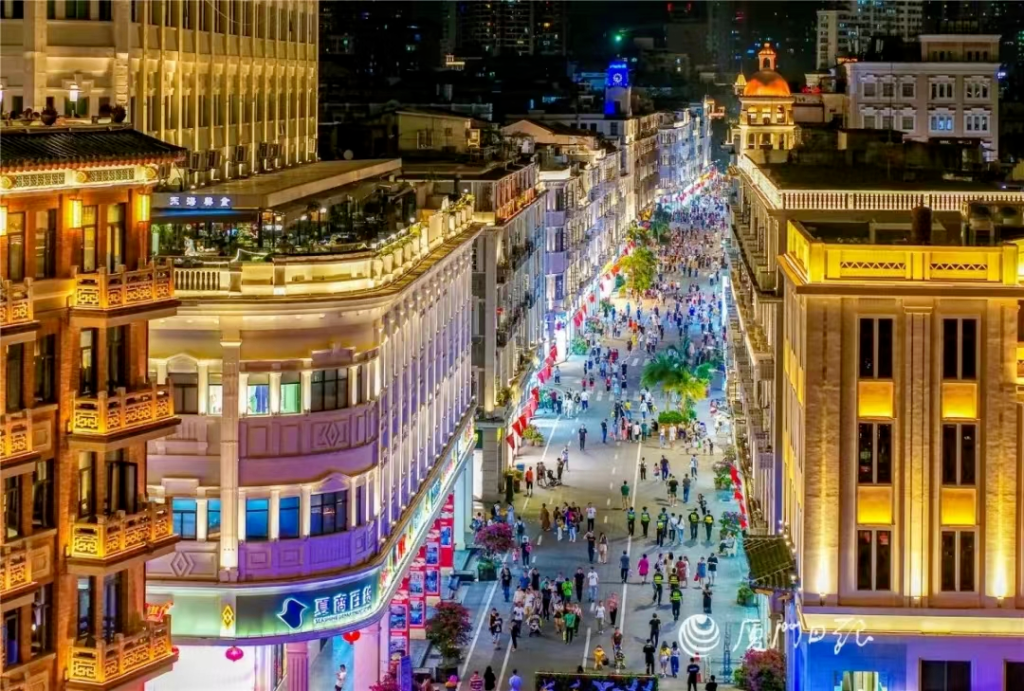
Stroll along colonnaded Zhongshan Road Pedestrian Street and sample Maritime Silk Road–inspired dishes: Indonesian satay, Minnan satay noodles (shacha mian), and oyster omelets—each reflecting centuries of culinary exchange-.
Day 2: Quanzhou (UNESCO World Heritage) – A World‑Class Maritime Emporium
Full Day | Quanzhou Ancient City · Three Faiths, One Port
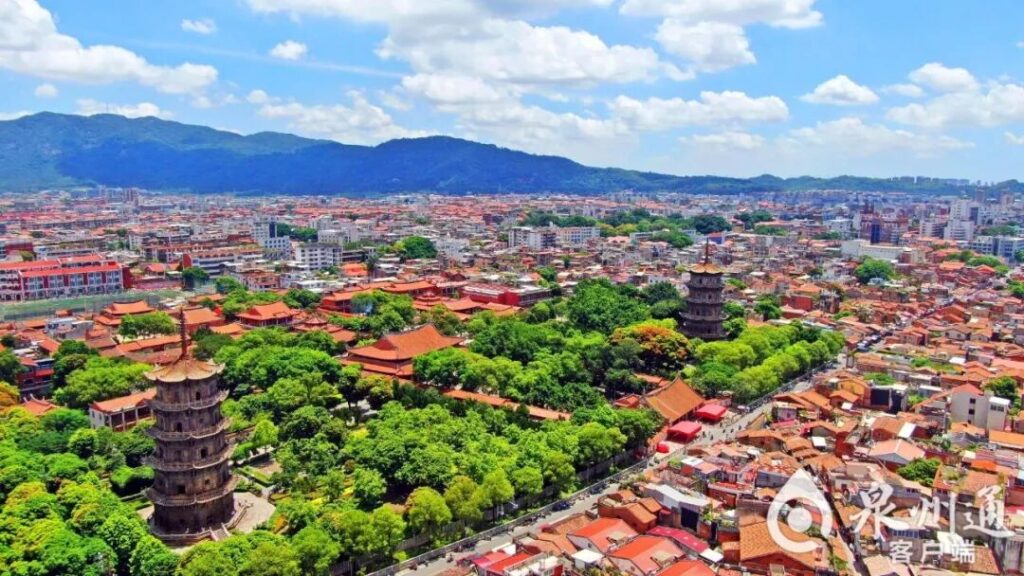
Drive to Quanzhou, the “Emporium of the World in Song‑Yuan China,” inscribed as a UNESCO World Heritage site. Visit Qingjing Mosque (one of China’s oldest mosques, with 11th‑century origins), Kaiyuan Temple (the largest Buddhist temple in Fujian, with iconic twin stone pagodas), and Tianhou Temple (dedicated to the sea goddess Mazu). These three religious sites, standing just minutes apart, embody the city’s unmatched legacy of civilizational coexistence along the ancient maritime trade routes where Persian, Arab, Indian, and Southeast Asian merchants converged.
Afternoon | Puppet Theatre Experience
Quanzhou string puppet theatre is a national intangible cultural heritage with over 1,000 years of history, where each puppet can be controlled by up to 30 strings demanding decades of training-. Watch a classic performance like Yuanxiao Joy and then try your hand at basic manipulation under the guidance of masters—an interactive gateway into the city’s living traditions-.
Evening | West Street Walk
Wander along West Street, the ancient commercial spine. A rooftop tea terrace offers a view of Kaiyuan Temple’s pagodas silhouetted against dusk—the same panorama once seen by Arab and Persian merchants who anchored in Quanzhou harbor a thousand years ago.
Day 3: Quanzhou & Dehua – Tin Sculpture and the “China White” Porcelain Trail
Morning | Jinshan Tin Sculpture Art Museum, Nan’an
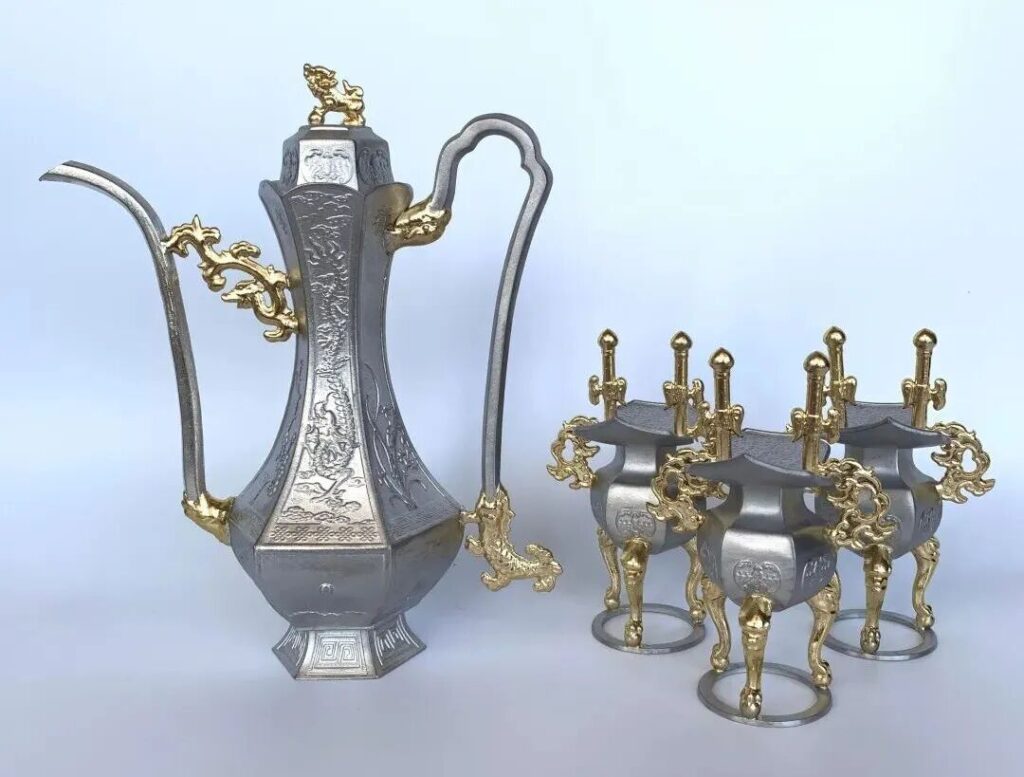
Visit Jinshan Tin Sculpture Art Museum, where tin‑smithing was introduced from Persia via the Maritime Silk Road and evolved into a distinctive local craft-. Learn how this technique transformed from trade item to indigenous art form, with elaborate gu sets, lanterns, and ritual vessels that blend Central Asian influences with Minnan aesthetics.
Afternoon | Maritime Silk Road Ceramic Painting, Dehua
Travel to Dehua, the “Capital of White Porcelain.” Dehua’s Blanc de Chine porcelain was one of the most sought‑after exports on the Maritime Silk Road from the Song dynasty onward-. In a ceramic‑painting workshop, design motifs that merge Persian arabesques with traditional Fujian patterns on pure white Dehua vessels, then take home your own piece of maritime history.
Day 4: Zhangzhou – Ming‑era Maritime Legacies and Hand Puppets
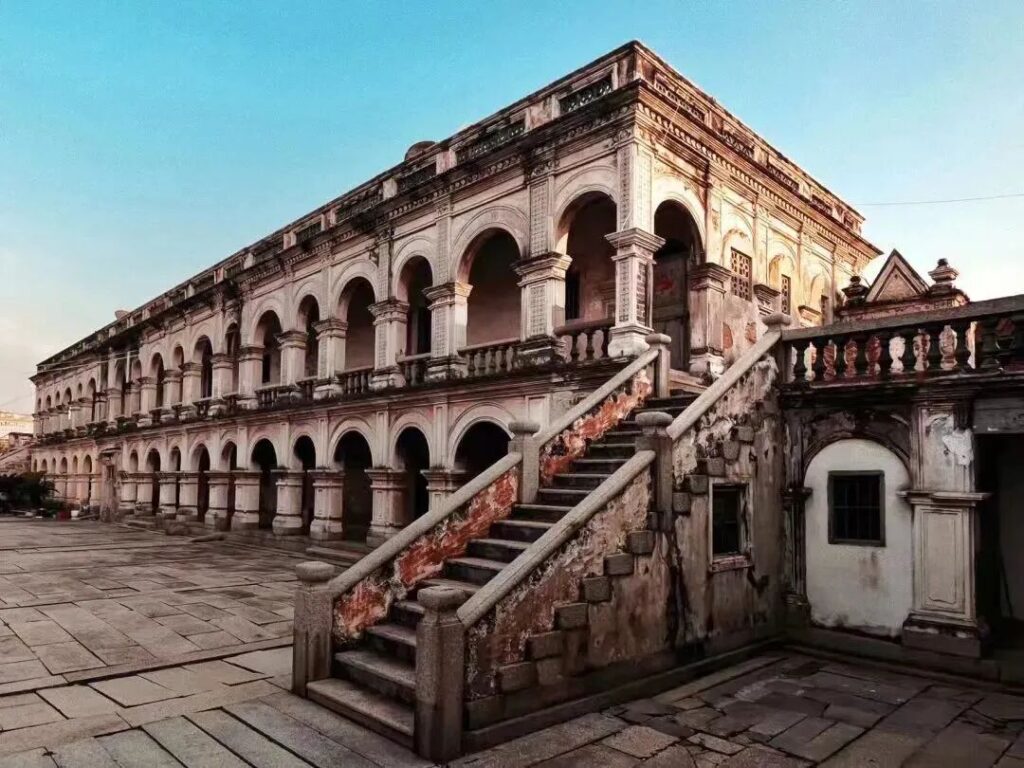
Morning | Dongmei Zengshi Fanzi House (Zhangzhou)
Explore Dongmei Zengshi Fanzi House, a striking mansion that blends Gothic arches with Minnan red‑brick walls—built by overseas Chinese merchants who returned with wealth and visions from Southeast Asia. The architecture visualizes how cross‑cultural exchange shaped not only trade but also the domestic landscape along the coast.
Afternoon | Zhangzhou Ancient City
Visit Zhangzhou Ancient City, a key port on the Maritime Silk Road during the Ming dynasty. Sample local specialties: Zhangzhou braised noodles and si guo tang (a four‑fruit sweet soup)-.
Evening | Zhangzhou Glove Puppetry
Zhangzhou glove (bag) puppet theatre is inscribed on the UNESCO Intangible Cultural Heritage Lists under the “Training Program for Fujian Puppetry”-. The performance reveals acrobatic finger‑work that has been passed down for generations, keeping the art of portable storytelling alive.
Day 5: Zhangpu – She Ethnic Traditions and Volcanic Coast
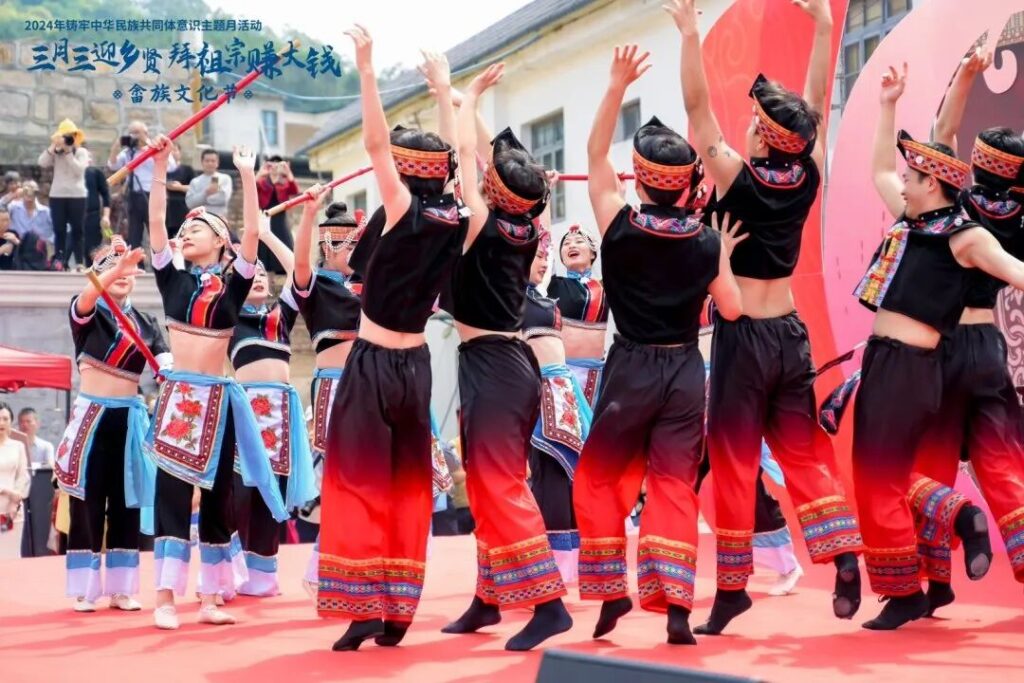
Morning | Chiling She Ethnic Township
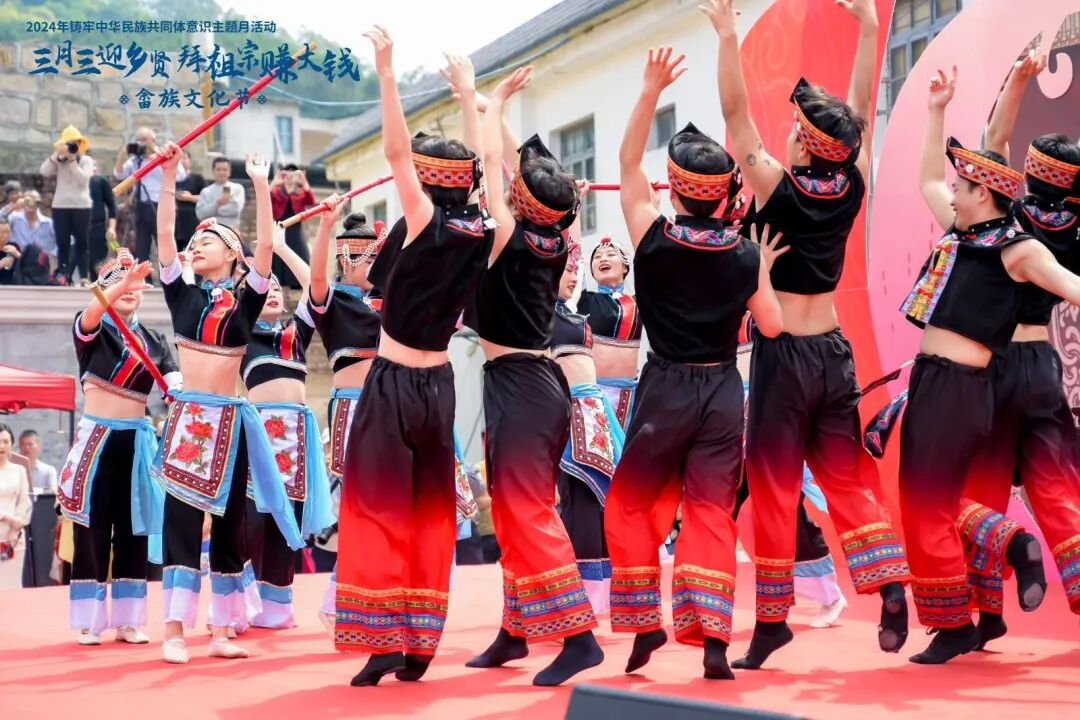
Delve into Chiling She Ethnic Township in Zhangpu County, which preserves She culture—an indigenous mountain people of southeastern China-. Participate in an embroidery workshop where traditional She motifs are fused with maritime trade patterns, reflecting how even inland ethnic communities were touched by the Silk Road’s cultural currents.
Afternoon | Volcano Island Tourist Resort
Explore Volcano Island Tourist Resort, China’s only coastal volcanic geopark. Walk across ancient hexagonal basalt columns, black‑sand beaches, and erosion cliffs shaped by Tertiary‑period eruptions half a million years ago-.
Day 6: Longyan – Changting, the Hakka River Port
Morning | High‑speed Rail to Longyan · Tingjiang Ancient Dock
Take a bullet train from Zhangzhou to Longyan. Visit Tingjiang Ancient Dock, where inland Hakka goods—tea, timber, paper—were loaded onto boats and transported downriver to coastal ports like Quanzhou and Zhangzhou for export overseas, revealing the inland silk‑to‑sea connection of the Maritime Silk Road.
Afternoon | Changting Ancient City
Explore Changting Ancient City, known as the “Hakka Capital” of the world. Its 1500‑meter‑long Ming‑era city wall and well‑preserved grid of 4,000 historic buildings offer a walk through Hakka commercial and residential life-.
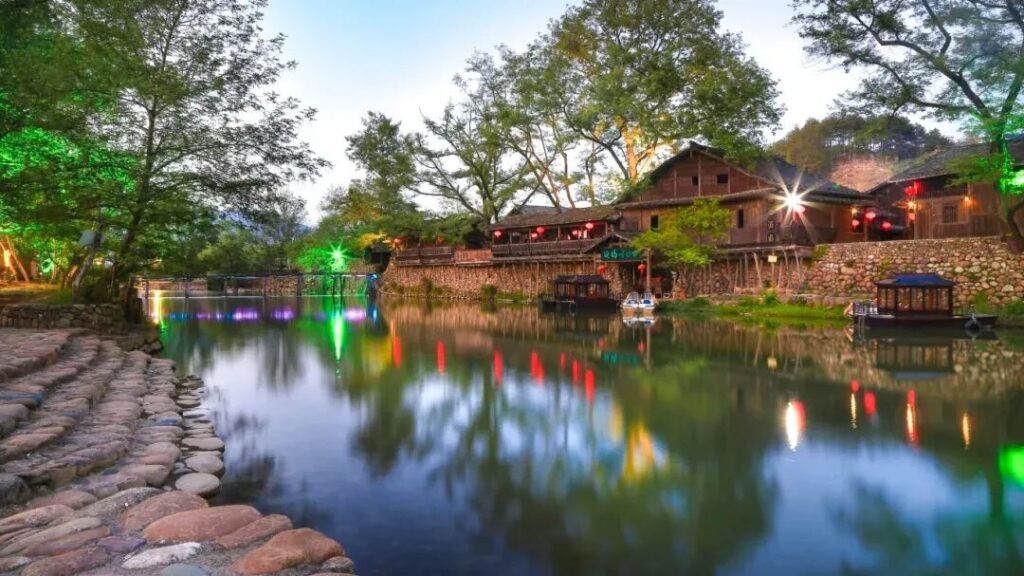
Evening | Tingjiang Night Lights
Stroll along the revitalized Tingjiang waterfront with its integrated lighting design and reflective waterscape.
Day 7: Longyan – Oolong Tea Heritage and Departure
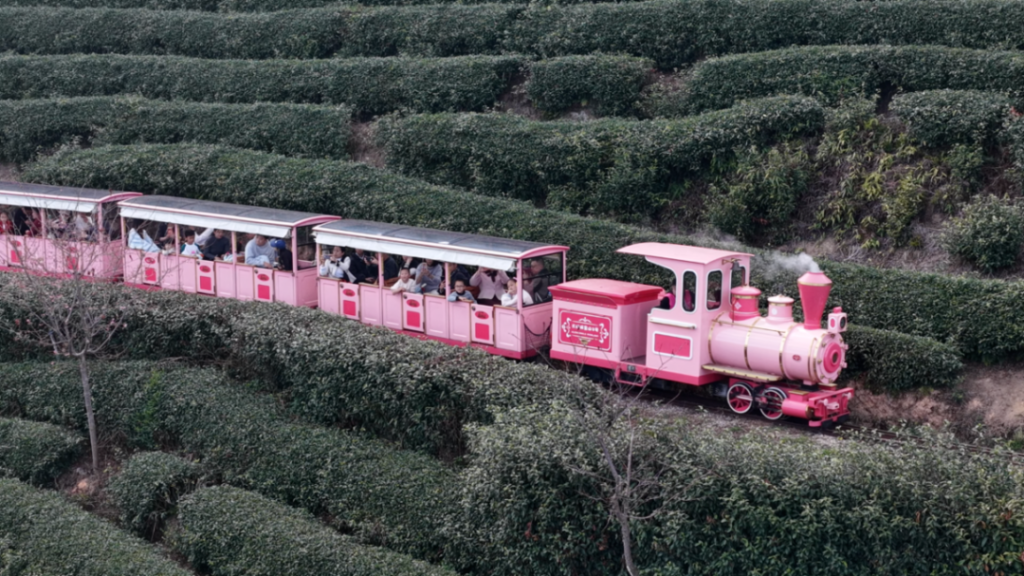
Morning | Yongfu Taipin Tea Plantation
Visit Yongfu Taipin Tea Plantation, part of the Zhangping Taiwan Farmers’ Pioneer Park. This 1,300‑acre estate grows four premium Taiwan oolong varieties—Ruanzhi, Jinxuan, Cuiyu, and Sijichun—and harvests were once shipped abroad along Maritime Silk Road pathways-. Learn tea‑plucking and rolling techniques in a hands‑on workshop, and pack a box of Fujian oolong as a taste‑able travel memory.
Afternoon | Depart with Maritime Silk Road Treasures
Return to Xiamen Gaoqi International Airport for departure, carrying handmade Dehua porcelain pieces, tin sculpture souvenirs, and oolong tea—each a fragment of the Maritime Silk Road’s living legacy.
Travel & Connectivity Notes
The four cities along the route are well connected via China’s high‑speed rail network, with frequent bullet train services linking Xiamen, Quanzhou, Zhangzhou, and Longyan-.
Entry Portals:
- Xiamen Gaoqi International Airport – Direct flights to/from Southeast Asian hubs including Singapore, Kuala Lumpur, Bangkok, Manila, and Tokyo-.
- Quanzhou Jinjiang Airport – Regional connections to key Asian cities-.
- Fuzhou Changle International Airport – With Xiamen Airlines launching a direct Amsterdam–Fuzhou route starting June 2026, the region is now more accessible than ever to European travelers-.
China Transit Policies (2026):
International visitors can enter China via the 24‑hour visa‑free direct transit policy at Xiamen Gaoqi International Airport and other major ports, allowing seamless connections. For stays longer than 24 hours, standard tourist visas (L‑visa) remain available through Chinese embassies and consulates worldwide. Travelers should check the latest visa regulations with their local Chinese visa application service center well in advance of departure.